Home » Santorini
Top places to see in Santorini
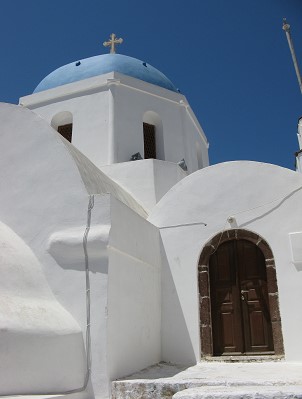
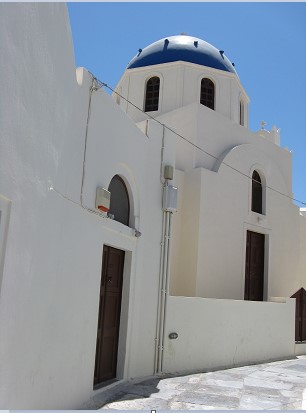
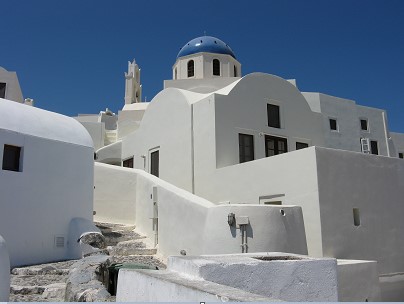
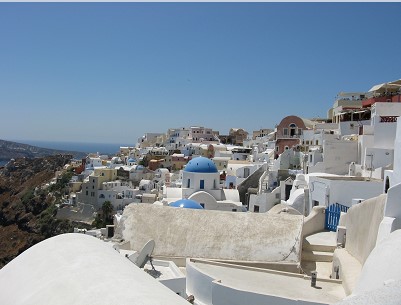
Firá. The capital of Santorini, Firá (Thíra) is made up of whitewashed homes and terraces, winding lanes, and blue-domed church buildings. From the small port of Skala, Firá will be reached both by strolling or driving or by taking the cable-car. It can be reached from neighbouring towns by way of the Fira to Oia path that takes you alongside the caldera cliff. Firá lives principally from tourism, and lots of of its buildings now function small resorts, flats, eating places, cafés, souvenir retailers, and jewellers.
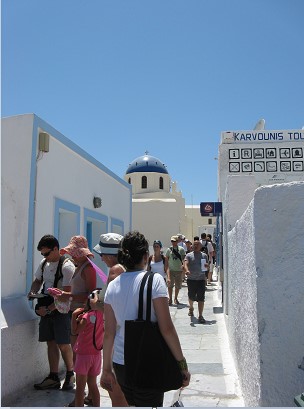
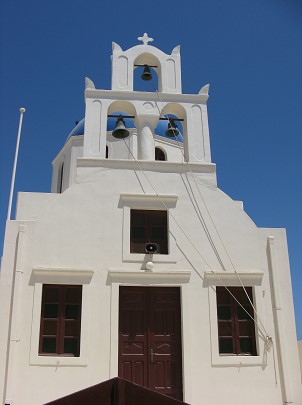
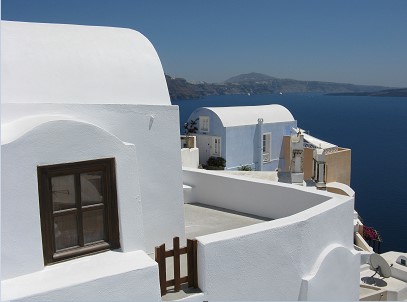
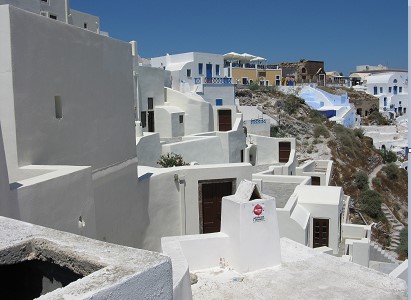
Oia is famous for its famed sunsets that entice vacationers from worldwide. Situated on the northern tip of Santorini, 12 kilometres up the coast from Firá, Ía (Oia) is a picture-perfect village of whitewashed homes, a number of of which have been transformed into stylish little hotels with swimming pools.
Caldera Shaped by the huge volcanic explosion that blew the middle out of the island some 3,600 years in the past, the Calder is the sea-filled volcanic crater that remained.
Akrotíri Archaeological Site Close to the village of contemporary Akrotíri, 12 kilometres southwest of Firá, the traditional Minoan settlement of Akrotíri was buried under lava following the 16th-century BC volcanic explosion that created the caldera. On the Akrotiri Archaeological Website, guests can stroll on pathways by way of the particles of the city to see stays of the clay buildings of this as soon as a thriving city. It's so properly preserved that it is usually in comparison with Pompeii. The location has remnants of multi-level buildings, pottery, and drainage methods, proving that Santorini was a flourishing and affluent island earlier than the eruption and possibly lived from transport and buying and selling. Santorini's connections with North Africa will be deduced from the excellent frescoes (most of which at the moment are within the Nationwide Archaeological Museum in Athens) that embellished its homes. The location of the Akrotiri ruins reopened to the general public in 2012, following a number of years of closure.
Red Beach Close by the Akrotiri web site, one can find the well-known Red Beach under a spectacular pink cliff wall. The seashore is accessible alongside a path from the city of Akrotiri.
Ancient Thira See the ruins of Hellenistic temples and foundations of Roman and early-Byzantine buildings at historic Thira, positioned on the southeast coast of Santorini. Historical Thira dates again to the ninth century BC.
Archeological Museum, Firá Near the higher station of the cable-car in Firá, the small archaeological museum shows find from Historical Thira, ranging from the Dorian, Hellenistic, Roman, and Byzantine durations. Inscriptions relationship from the Archaic to the Roman interval, clay figurines of animals, and exquisite ceramic pottery are a number of the finds exhibited at this museum.
Museum of Prehistoric Thira shows finds from Akrotiri archaeological website in a contemporary white constructing positioned near the 1950s Mitrópolis church in Firá. One of many high vacationer sights is the Blue Monkeys wall fresco. Different historical artworks on show embrace marble figurines, painted ceramics, instruments, and weapons.
Pyrgos was Santorini's capital earlier than Firá took over in 1800. The tiny village of Pyrgos, positioned in the midst of Santorini, is made up of whitewashed Cycladic cottages constructed across the ruins of a medieval hilltop fort. Beforehand a sleepy, all-but-forgotten city, Pyrgos has, since 2004, began to cater to upmarket tourism with the opening of a number of small, stylish eating places and boutique lodges.
Profitis Ilias From Pyrgos, a highway runs to the summit of Mt. Profítis Ilías (584 meters), Santorini's highest level, affording panoramic views of the island and out throughout the ocean. Right here stands the mighty Profitis Ilias Monastery, an 18th-century sanctuary that's open to the general public. Inside, you'll be able to see the church, with a richly carved iconostasis. Go to the museum displaying the mitre and crozier of Patriarch Gregory V, who was hanged in Constantinople by the Turks in 1821. Additionally of curiosity is the library and the monastic archives.
Beach at Perissa Santorini's greatest identified and hottest seaside lies on the southeast coast, between the villages of Perissa and Perivolos. A six-kilometre-long stretch of superb, black volcanic sand, it's backed by tamarisk timber and ignored by a string of seafood tavernas and cafés.
The port of Ammoudi Bay The port of Ammoudi Bay On the base of the cliffs rising to the city of Oia, the port of Ammoudi Bay glistens above glowing turquoise waters. Descend the 200 or so steps down from Oia, and you're within the picture-perfect setting that's Ammoudi, identified for quaint Greek tavernas serving the catch of the day simply inches from the waves, and remoted coves perfect for swimming.
Recommended travel guides